Introduction to Truffles
Truffles are highly prized subterranean fungi belonging to the Tuber genus, renowned for their aromatic complexity and culinary value. This report explores the diversity of truffle species, their commercial forms, market trends, and applications in gastronomy and beyond.
Truffle Varieties
- White Truffle (Tuber magnatum): Primarily found in Italy’s Piedmont region (notably Alba), this variety is celebrated for its intense garlicky, earthy aroma. Harvested October–December, it commands the highest prices, often exceeding €5,000/kg.
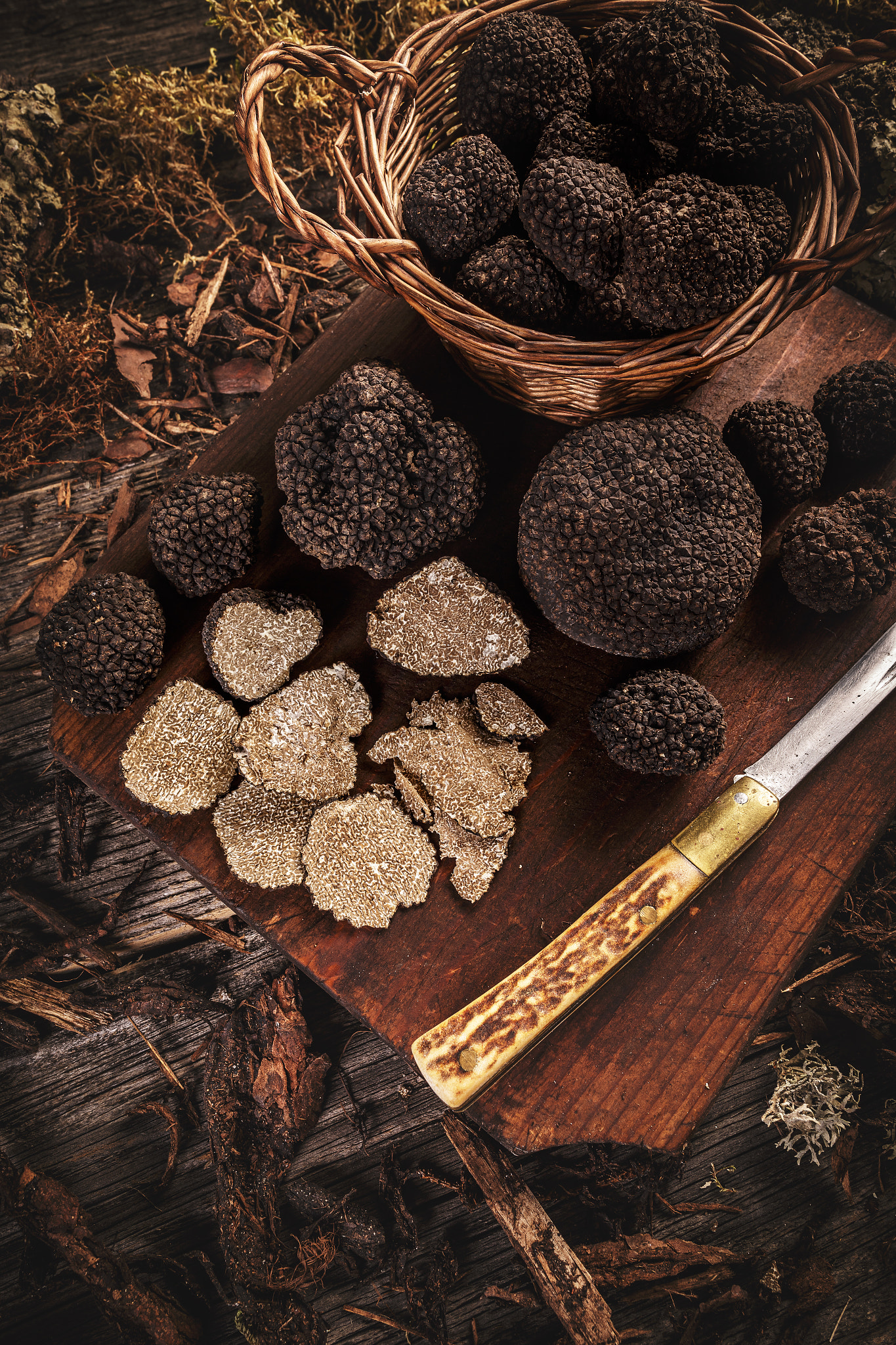
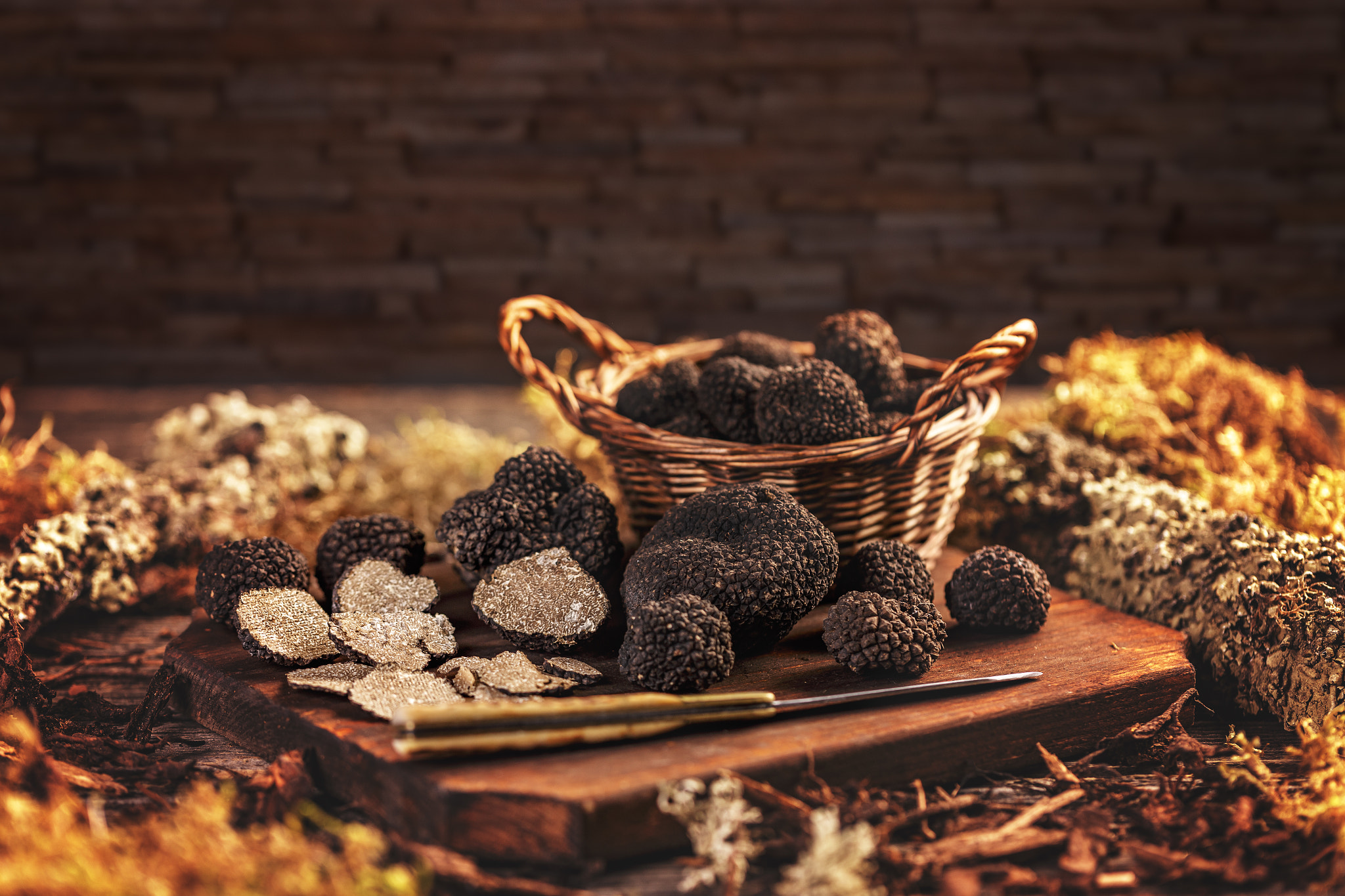
- Black Truffle (Tuber melanosporum): Known as Périgord Our Recommended Truffle Recipes, it thrives in France and Spain. With a nutty, chocolate-like flavor, it peaks December–March, priced between €800–€2,500/kg.
- Summer Truffle (Tuber aestivum): Milder in aroma, harvested May–August. Prices range €200–€600/kg.
- Burgundy Truffle (Tuber uncinatum): Similar to summer truffles but harvested September–December, offering deeper notes (€300–€700/kg).
- Winter Truffle (Tuber brumale): Less prized, sharing habitats with black truffles (€200–€500/kg).
- Bianchetto Truffle (Tuber borchii): A smaller, affordable white variety from Italy (€300–€800/kg).
Processed Truffle Products
- Frozen Truffles: Preserve freshness for off-season use; frozen white/black truffles retail at €400–€1,200/kg.
- Dried/Dehydrated Truffles: Concentrated flavor for sauces; priced €50–€200 per 100g.
- Truffle Slices & Minced Truffles: Prepped for easy culinary use; often packed in oil.
- Truffle Butter/Oil/Salt: Infused products enhance dishes affordably (€10–€50 per unit).
- Tartufata & Truffle Sauce: Blends of truffles, mushrooms, and spices (€15–€40/jar).
- Truffle Honey/Carpaccio: Sweet-savory pairings and thinly sliced preserved truffles.
Market Dynamics
- Online Sales & Wholesale: Platforms like Urbani Tartufi and Sabatino Truffles dominate B2B and retail. Wholesale black truffles cost €600–€1,800/kg, depending on grade.
- Pricing Factors: White truffle prices fluctuate based on harvest yield (€3–€10/gram). Périgord truffles average €1.50–€5/gram. Alba truffles may exceed €10/gram.
- Global Demand: Rising interest in gourmet foods drives growth, particularly in Asia and North America. Fresh truffles require expedited delivery (24–48 hours) to maintain quality.
Truffle Hunting & Canine Training
Trained dogs are preferred over pigs for hunting due to their gentleness. Truffle scent kits (€50–€200) use synthetic oils (Tuber extracts) to teach odor recognition. Truffle oil for dogs, typically free from harmful additives, is safe in moderation.
Culinary Applications
- Cooking Tips: Minced black truffles elevate risottos and pastas. Dried truffles rehydrate in warm liquids for sauces.
- Signature Dishes: Truffle risotto, pasta, and carpaccio rely on fresh shavings. Truffle butter enhances steaks, while tartufata pairs with cheeses.
- Storage: Fresh truffles last 7–10 days in airtight containers with rice; frozen truffles retain quality for 6 months. Dehydration extends shelf life to a year.
Species & Regional Highlights
- Tuber mesentericum (Bagnoli truffle): Less aromatic, used in blends.
- Terra Ross Truffles: Australian growers producing Tuber melanosporum under controlled conditions.
- Seasonality: Burgundy truffles peak autumn; Périgord winters align with holiday demand.
Economic and Environmental Considerations
Climate change threatens wild truffle yields, spurring investments in trufficulture (cultivation). Italy’s Alba White Truffle Festival and France’s Richerenches market exemplify cultural and economic significance.
Conclusion
Truffles remain a luxury commodity with a dynamic global market. Innovations in preservation, cultivation, and product diversification ensure their enduring appeal in haute cuisine and beyond. Sustainable practices and canine-assisted harvesting will be pivotal for future supply stability.