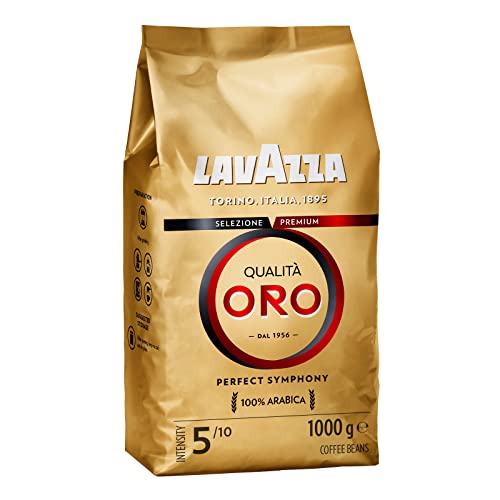
Why Buy 1kg coffee beans of Coffee in Bulk?
A cup of good coffee is a great way to start your day. It’s also good for you. Studies have proven that moderate consumption of coffee is associated with reduced risk of Type 2 diabetes, Parkinson’s disease and liver diseases.
How many cups does a kilogram of beans make?
Price
One kilogram of coffee beans can provide enough coffee to make several cups. You can buy it in many different varieties, including single-origin or blends. Single-origin beans originate from a particular region or country, whereas blends combine various types of beans to create a unique flavour profile. The cost of a kilogram of coffee can differ greatly based on the type of coffee and roasting process.
Purchasing a kilogram of coffee beans in bulk can be more cost-effective than buying smaller quantities. It’s also eco-friendly because it minimizes the amount of packaging that is disposed. Additionally, coffee grounds, the byproduct of brewing coffee, can be composted. Purchasing coffee in bulk is a great way to stock up on your favourite beans and save money over the course of time.
It is essential to remember that the price of a kilogram of coffee beans does not include the cost of transportation and shipping. These costs can be substantial and should be taken into consideration when planning a wholesale order. You can estimate the total production costs using an online calculator if you’re not sure how much your coffee will cost.
The cost of a kilogram of coffee beans is determined by the size and quality of the beans as well as the cost of processing and shipping. In addition, it’s crucial to take into account the cost of any unexpected expenses, like unexpected milling defects or the removal of damaged beans from the bag. This could result in reduction in the overall weight, which can have a direct effect on the cost per kilogram.
It’s also important to consider the effect of taxes and tariffs on the price of a kilogram of coffee beans. In general higher tariffs and taxes will increase the cost of coffee. However, there are some exceptions to this rule, and it’s crucial to study the specifics of each tariff before choosing a price for your beans. It’s a good idea, too, to review your prices at least every six months.
Taste
Buying in bulk reduces packaging waste and helps keep your coffee beans fresher longer. It also means you can play around with different grind sizes and brewing methods which can enhance the enjoyment of your daily cup. This freedom to experiment will inevitably result in the dumping of some coffee. For example the grounds that you spill when using a cafétiere or the waste that results from dialing in a fresh grind. This can affect how many cups you can get from 1kg coffee beans price of coffee, and is a factor to take into account when formulating cup counts. Don’t fret! Coffee grounds make excellent compost.
Environment
Coffee is a well-loved drink across the globe, but its production has environmental impacts. For instance, the production of coffee is often associated with deforestation. Farmers have to clear their land in order to plant coffee trees, which are typically planted in tropical regions that have fragile ecosystems. This can result in habitat loss, loss of biodiversity, and even human conflict. Coffee is also a boom-and-bust commodity that can be unstable and volatile, leading to wild price fluctuations. In fact, the ten biggest global coffee roasters control about a third of all roasting beans around the world, leaving farmers to fight for just a fraction of retail price.
The most significant environmental impact that coffee has on the environment is the result of the processing and cultivation of the bean itself. The major part of the emissions are created during the farming process that requires the use of fertilisers as well as pesticides. Coffee trees also need to be regularly watered and can generate significant amounts of carbon dioxide. The environmental impact of a cup coffee 1Kg is determined by the place of its source, and many companies are working to decrease the environmental impact of their coffee.
To calculate the carbon footprint, it is essential to define the functional units. A common unit for this is the kilogram of green coffee beans. This permits comparisons to be made between different studies. Additionally, a standardised methodology must be used to determine the carbon footprint of each stage. There are many methods, but the most efficient way to go about it is to incorporate sustainable practices into every stage of the supply chain.
Making use of milk that is less dairy-based can make a big difference to the carbon footprint of a coffee drink. A latte brewed with conventional coffee, a cappuccino or a flat white with sustainable grown beans have carbon footprints of 0.55 0,34 and 0.41 1 kg coffee beans CO2e, respectively.
In the past life cycle analyses, it was observed that the major part of the emissions are created in the growing stage. This can be decreased through more efficient machinery and by using pesticides in a non-toxic way. Furthermore, international transport can be lowered by using cargo ships instead of air transport.
Storage
The purchase of coffee in larger quantities can save you money over time, and also enjoy high-quality coffee beans. This method lets you control and keep track of the amount of coffee you consume during a particular month or year. In terms of the cost it also results in lower costs per cup of beans as compared to smaller 250g bags.
There are some simple rules to follow when it is time to store your coffee beans. This will ensure that they taste their best. For instance, keeping your beans in cool, dark places will help them stay fresh and minimize the risk of spoilage. Also, avoid keeping your coffee in proximity to sources of heat or in direct sunlight. This will help protect your coffee from absorbing moisture that can alter its flavor.
Another important rule to keep in mind when storing coffee is that the lid should always be sealed. This will stop oxygen from getting into your container and burning your coffee beans. This can be accomplished through the use of a vacuum-sealed coffee storage container such as the Fellow Atmos or Planetary Design Airscape. These containers have a special valve that lets carbon dioxide escape while pushing oxygen out of the bag.
Many people are reluctant to purchase coffee by the kilo because they are worried that their beans will become stale before they’ve finished them. If you store your coffee beans properly this shouldn’t be an issue. In fact, a kilo of beautiful coffee beans should taste great until the last cup, provided that you are properly storing them.
You can generally expect specialty coffee to stay fresh for several months, particularly if you store it in the right conditions. You can also get great results from filter coffee that has been stored properly, particularly when you grind it just before brewing. The coffee is freshest and most delicious when it is brewed. This depends on several factors, such as the type of brewer that you are using and your personal preferences in coffee.