
How to Adjust UPVC Door Hinges
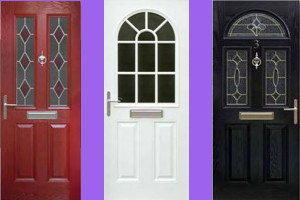 uPVC door frames are designed to last a long time, but they might need some adjustments and maintenance as they age. This is a simple job that can be accomplished using the most basic tools.
The first thing you need to do is to identify the kind of hinges that are on your door. Typically a flag hinge will allow you to make adjustments both vertically and laterally, however the butt or T hinge may only allow lateral adjustments.
Identifying the Hinges
Hinges are vital for connecting windows and doors to their frames, but they can sometimes develop problems. Fortunately, most of these issues can be fixed by simply adjusting the hinges. You must first determine the type of hinges you have on your window hinges repair or door. This is crucial because it will help you determine the best method to adjust the hinges based on its style.
UPVC hinges are available in various styles, each with their own advantages and disadvantages. The kind of hinge you choose depends on your window friction hinges or door’s specifications as well as the design of its frame. Moreover, the type of hinge you select determines how it will be easy to open and close your door or window. Here are a few of the main types of uPVC door hinges available:
Flag hinges are hinges with flat leaves with holes through which screws can be attached. A hinge pin is then put through the knuckles. These are a common kind of hinge that is used in uPVC doors and can be easily adjusted laterally and vertically.
The recessed part of eurogroove or rebated hinges fits snugly into the door frame. They can blend into the frame to create a seamless appearance. They are the most popular hinges for uPVC door frames. They can be adjusted in all three directions.
Ball-bearing Butt hinges are a excellent choice for uPVC doors that will be exposed to high levels of usage. These hinges have ball bearings in the middle that ensures smooth operation. They can be adjusted lateral and vertically.
Spring butt hinges for uPVC are a good option since they can be adjusted to fit in all three dimensions. They also come with a spring system that ensures smooth opening and closing. This kind Double Glazing Hinge Repairs Near Me is extremely robust and can withstand a lot of stress.
When installing a new set of UPVC hinges, it is important to follow all the necessary safety precautions. Wearing protective gear, using the correct drill attachments and using tools in a safe manner are all essential to this. You can avoid injuries when installing the equipment by following these guidelines.
Identifying the Problem
There are a number of reasons that your uPVC doors might not be closing correctly. It could be that hinges are not aligned properly or distorted, for instance, or it could be an issue with the locking mechanism. These issues can cause draughts and leakages, so it’s crucial to address the issue promptly. If you don’t act, the damage will worsen and your door will become difficult to open or close.
The most frequent reason for a uPVC door not closing is because the hinges aren’t properly adjusted. This could be a major problem, but is relatively easy to solve. The first step is to determine the problem, and then figure out what’s causing it.
You can begin tackling the problem once you’ve identified it. There are two primary types of uPVC hinges which are flag hinges and butt hinges. A flag hinge is made up of two components. One part is attached to the sash of the door, and the other part is fixed to the door frame or to an adjacent structure. The two parts of the hinge are joined via a rod or pin that serves as the hinge’s axis. The sash and the hinge parts are visible from the inside of the door but when closed the hinges are hidden to provide an elegant and clean look internally.
A butt hinge is similar to a standard flag hinge, but is positioned on the back of the sash. It doesn’t stretch much as far as the hinge on the flag. The butt hinge is also hidden when the door closes to give it a clean and sleek look.
To adjust a butt-hinge, locate the adjuster and turn it counterclockwise or clockwise with an allen key until you get to the desired position. Do not over-adjust the hinge since it could make it difficult for the door to open or close.
Another common issue is that the lock will not lift to allow the door to be locked. This can be an issue with the euro lock or handle, but it is typically due to the hinges being damaged or misaligned. It’s generally an easy solve, but it’s better to have a professional handle it to ensure the job is done properly.
Finding the Solution
Because of their constant use and being closed and opened often, it’s not uncommon for windows and doors made of uPVC to become loose in their hinges. It can make them noisy and difficult to open. Fortunately, it’s easy to make small adjustments to ensure they function correctly.
The first step is to identify which type of hinges your uPVC door is fitted with. There are three kinds of hinges. Butt hinges, also referred to as a cylindrical or pencil hinge or a flag hinge, and recess hinges. A good way to do this is to look at the hinges from outside the door. You’ll be able to see that the edges at the top and bottom of the door have gaps. This is the place where the hinges are mounted. You can also see the screw slots on the hinge plate. You can adjust the height (up and down) of the hinge using these slots.
A butt hinge is made up of two parts one of which is attached to the frame and the second one is connected glass to glass hinges the door’s profile sash. The hinge is connected to the pin or rod via pins. The hinges of the flag are hidden behind the door, and are positioned between the frame and door when the door is closed, giving an attractive appearance.
Another kind of upvc door hinge removal door hinge is a flag hinge which looks like a traditional timber door hinge. They are typically placed on the outer edge of the door and provide more aesthetic appeal than the butt hinge. They are also more versatile because they can be adjusted in both directions, vertically and laterally.
Additionally, you can locate rebate uPVC hinges on doors that are older but they are becoming less popular these days. The rebate uPVC is similar to the flag hinges, however it can be adjusted laterally and in compression.
Make sure your door is at the correct level prior to making any adjustments. To check this, simply put a level on the top of your door, and then look for any gaps between it and the frame. If you see gaps in the middle, top or bottom of your door, it means that the door is out of alignment.
Perform the Adjustment
Over time, a uPVC may become loose on the hinges. This could cause the door to fall or become misaligned in the frame. This can be fixed by following a few simple steps. To begin, grab the measuring tape and take measurements of the gap between the door and the frame at the top, middle and bottom. If the gaps differ, it means that the hinges need adjusting.
Find out the kind of hinges on your uPVC doors before you begin. There are three kinds of hinges: flag hinges, T hinges and rebate hinges. Depending on the hinge type there are a few different methods of adjustments. Flag hinges, which are commonly found on modern uPVC doors, are rectangularly shaped and get their name from the fact that they resemble a flag. They offer the most control in the adjustment of a uPVC hinge, giving you the ability to move them side-to-side, vertically, or close them to a jamb for your door. T hinges are similar to flag hinges, except that the part attached to your door is in the middle. These hinges can be adjusted laterally and vertically but not as tight as rebate or flag hinges.
Then, find the screw or grub screw that is controlling each of the hinges and then loosen it using an Allen key. For a vertical adjustment, you might need to loosen both the screws on the top and bottom. For lateral side-to side adjustments, you may only require the screw on the side facing the door of the hinge.
Check your uPVC to see whether it’s aligned properly within the frame. If not, you may have to adjust the hinges or replace them.
It’s important to remember that when your door is not aligned properly for a long period of time, it could be a sign that hinges are beginning to wear out and require replacing. Fortunately it’s a straightforward process and is usually covered by the warranty of the installer or guarantee.